Department of Environmental Science

About the Department

The Department of Environmental Science at Gramgeeta Mahavidyalaya, Chimur is dedicated to quality education, research, and environmental stewardship. The department integrates classroom learning, laboratory training, field studies, and extension activities to develop scientific knowledge and practical skills. It prepares students for higher education, research, and careers in environmental management while promoting sustainable development and environmental responsibility.

:: Vision ::

“To nurture self-reliant, environmentally responsible, and globally competent graduates through excellence in education, research, innovation, and sustainable practices for the betterment of society.”


:: Mission ::

  • To provide quality, multidisciplinary, and skill-based education in Environmental Science through innovative teaching, experiential learning, and research.
  • To inculcate environmental ethics, scientific temper, and social responsibility among students, with special emphasis on rural and tribal communities.
  • To promote sustainability, innovation, and community engagement for addressing local, national, and global environmental challenges.
  • To develop self-reliant, competent, and environmentally conscious graduates equipped for higher education, entrepreneurship, and meaningful careers.
Teachers and Supporting staff

Sr. No. Faculty Name Designation Profile
1 Dr. Bijankumar Balram Shil Head & Assistant Professor View Profile
2 Mr. Vivek Surendra Manik Assistant Professor View Profile
3 Ms. Aruna Madeshwar Laboratory Attendant View Profile

Available Courses

1. B.Sc. Environmental Science

Class Semester Basket Syllabus Question Papers
B.Sc. – I SEM- I & II Click Here Click Here Click Here
B.Sc. – II SEM- III & IV
B.Sc. – III SEM- V & VI

2. Certificate Course in Biodiversity and Forest Conservation


Programme Highlights

  • Curriculum designed as per NEP 2020 and Gondwana University, Gadchiroli.
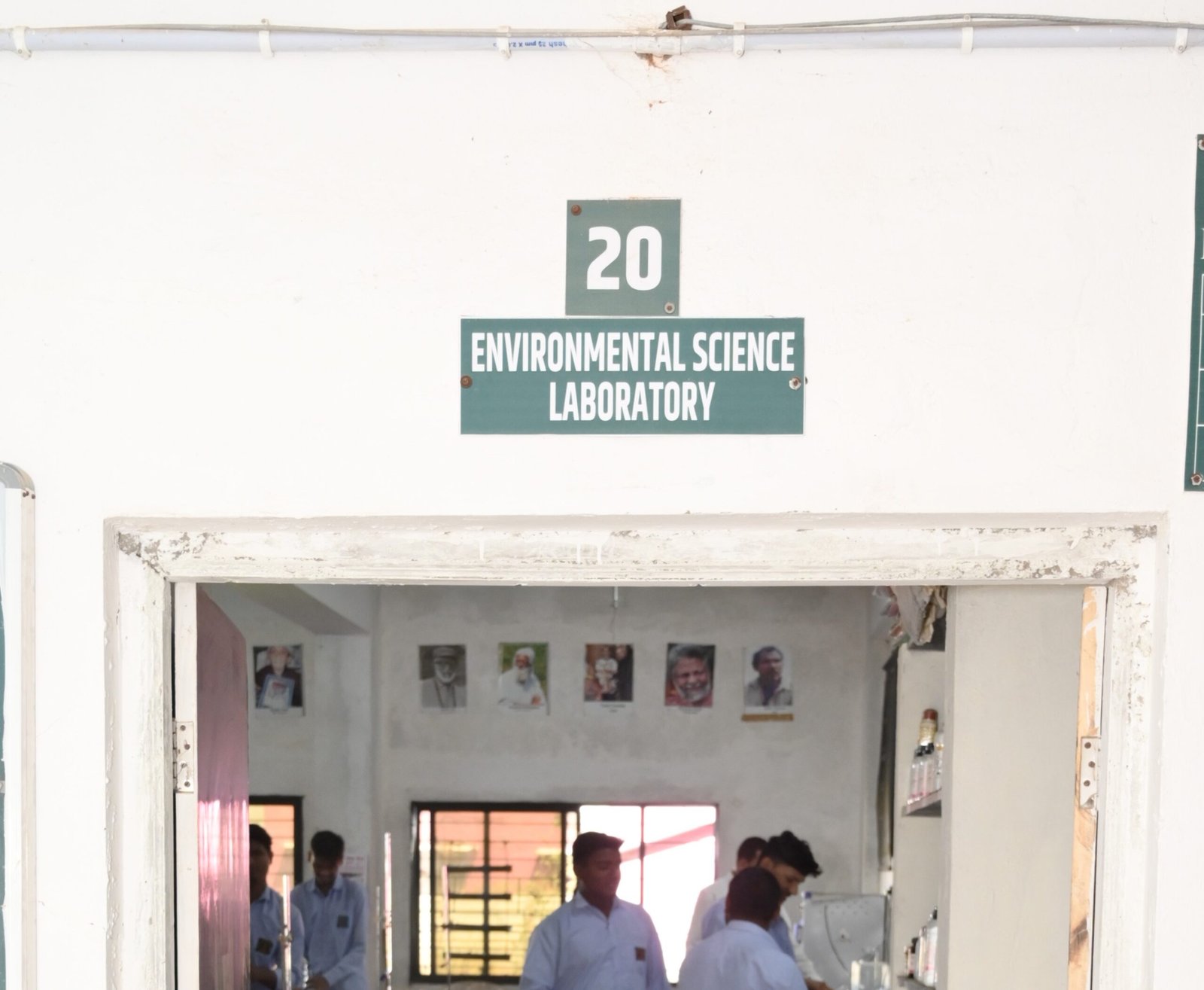
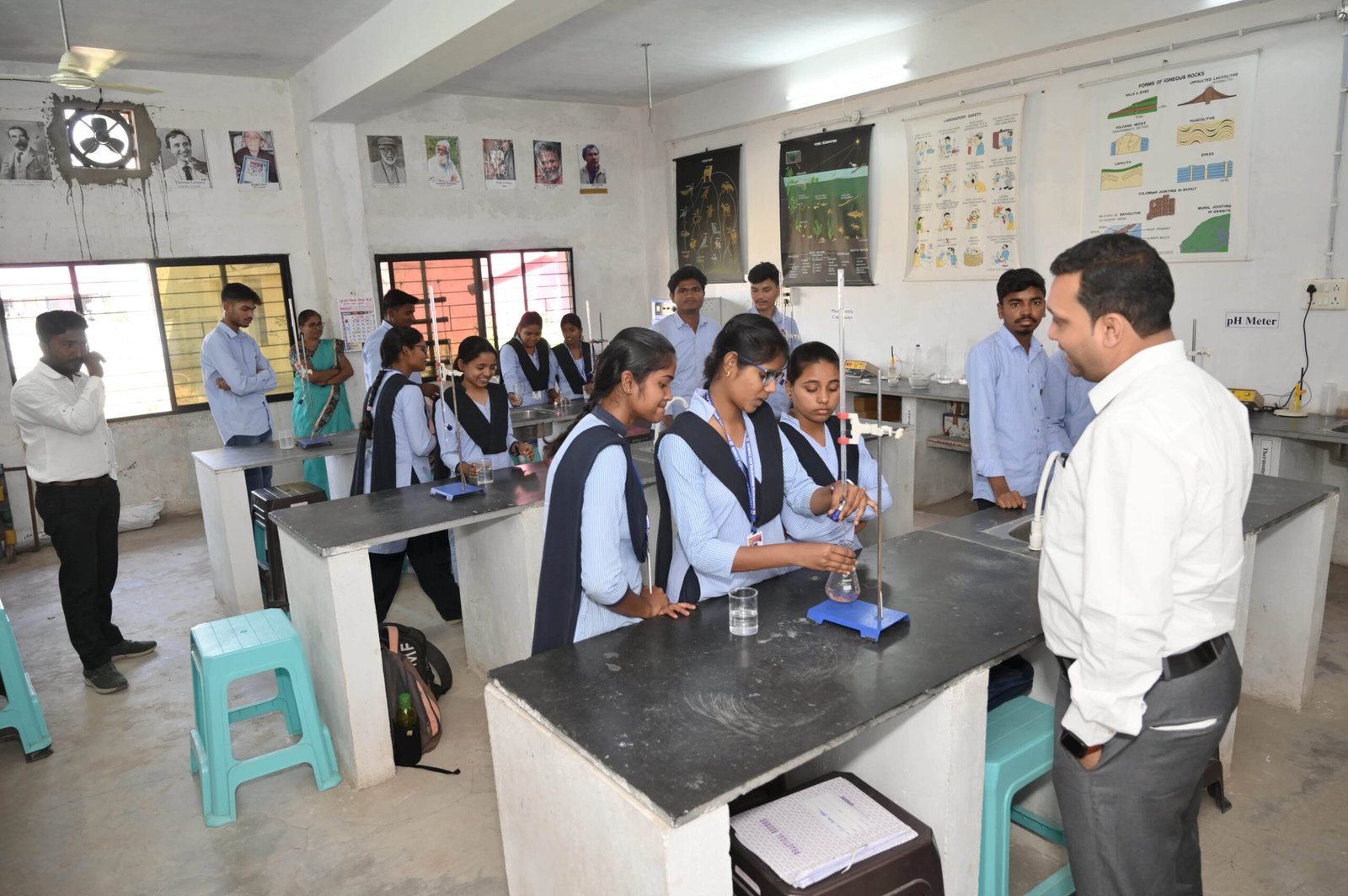
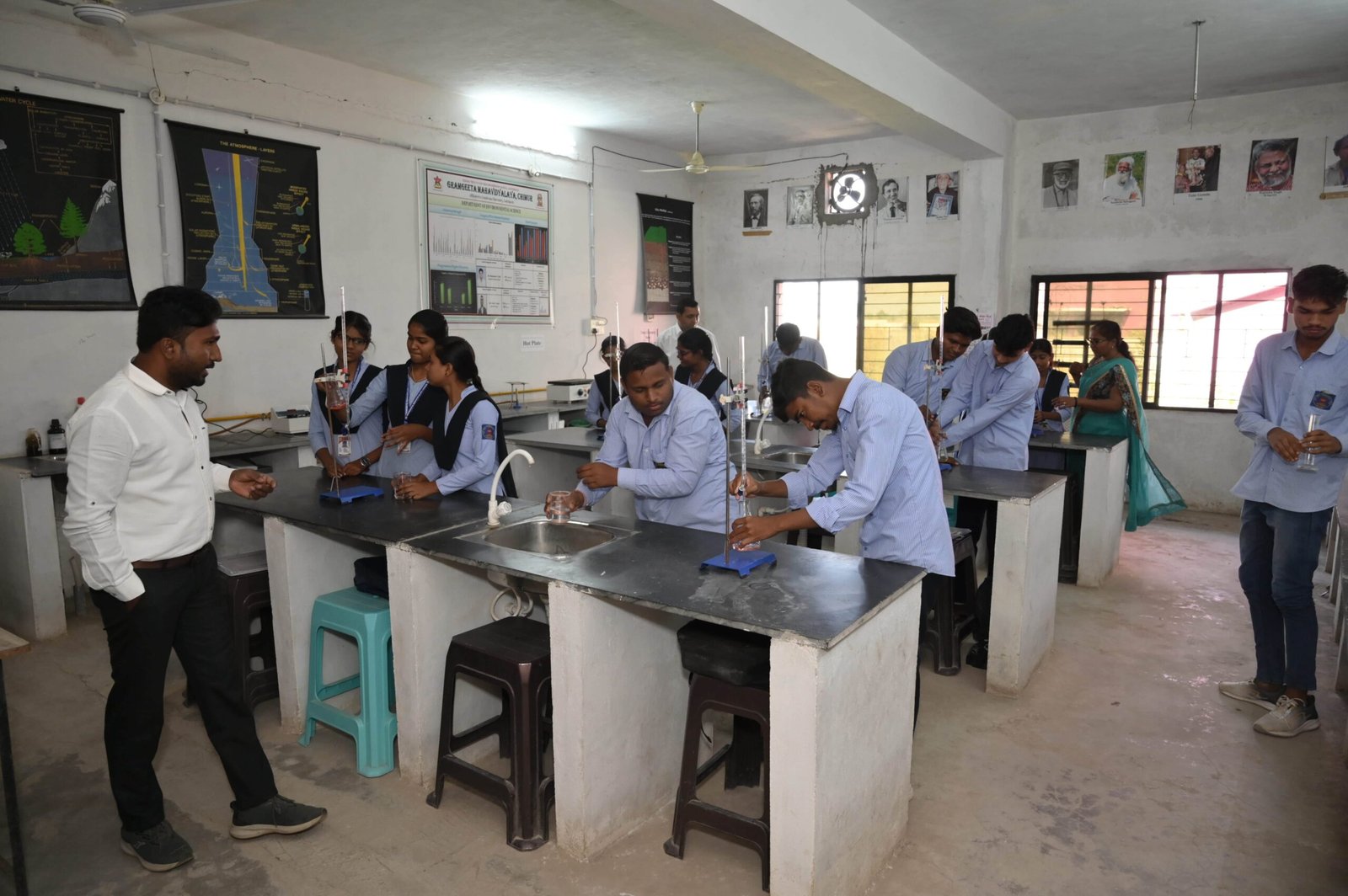
  • Well-equipped laboratory with modern environmental analysis instruments.
  • Regular field visits, environmental surveys, and educational tours.
  • Project-based learning and hands-on laboratory training.
  • Seminars, workshops, and awareness programmes on contemporary environmental issues.
  • Opportunities for research, internships, and community outreach activities.
  • Focus on environmental conservation, sustainable development, and employability.

Features

  • The department has experienced and highly qualified faculty dedicated to academic excellence, student mentoring, and overall personality development.
  • It offers a well-equipped Environmental Science Laboratory with modern instruments, along with an Outcome-Based Education (OBE) and NEP-aligned curriculum that ensures quality and skill-oriented learning.
  • Students receive strong practical exposure through laboratory experiments, field visits, environmental monitoring, surveys, and hands-on training activities.
  • The department actively promotes research, innovation, and academic engagement by encouraging student participation in projects, seminars, workshops, conferences, poster presentations, and research publications.
  • A wide range of environmental and community outreach programmes are regularly organized, including awareness drives, tree plantation, cleanliness campaigns, biodiversity conservation activities, NSS, and collaborations with government bodies, industries, NGOs, and local communities.
  • The department focuses on holistic and career-oriented development by promoting interdisciplinary learning, environmental ethics, sustainable development, skill enhancement, internships, competitive exam guidance, higher education support, and placement opportunities in various environmental sectors.

Programs Organized

AAA

Study Tours

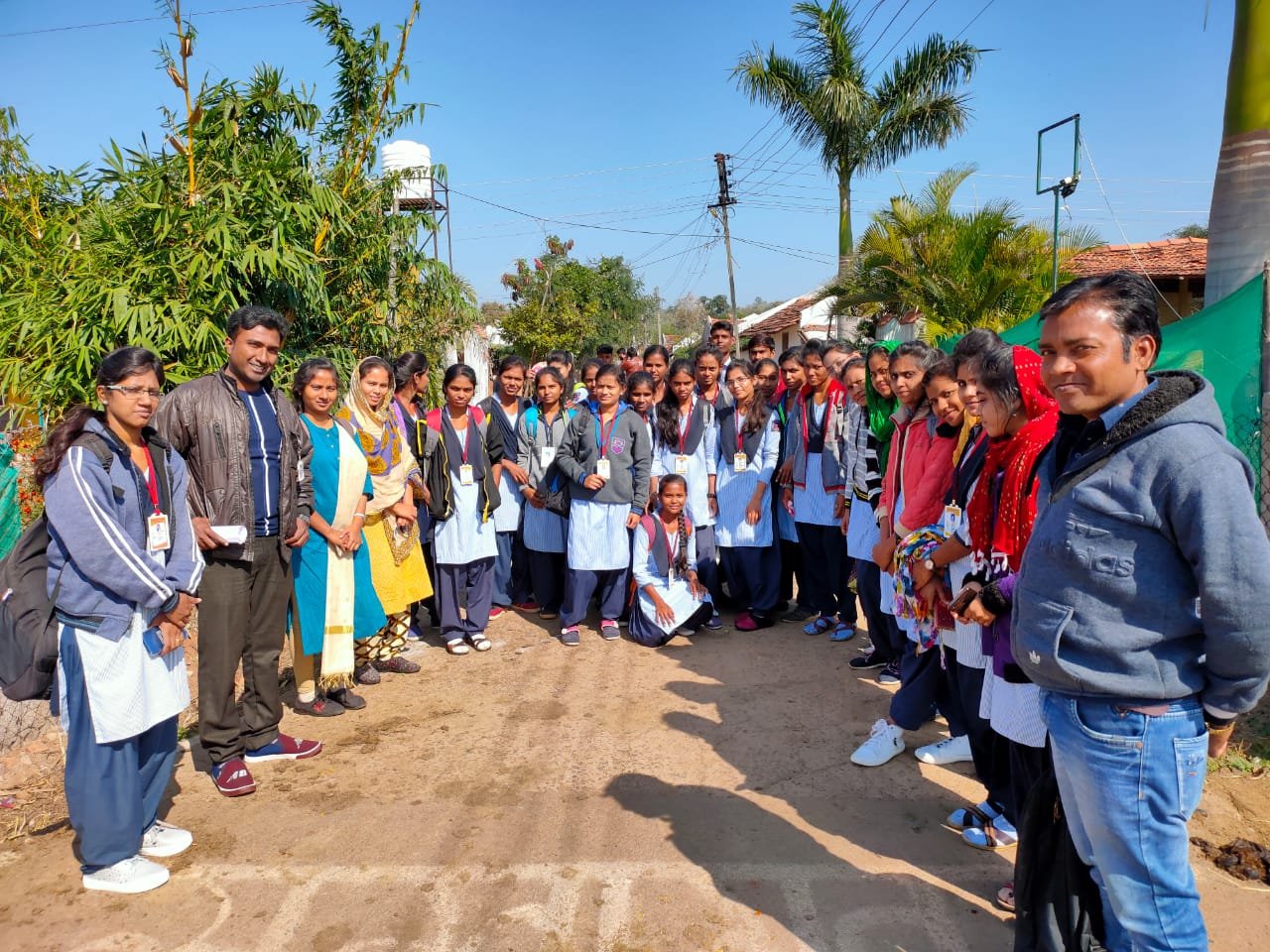
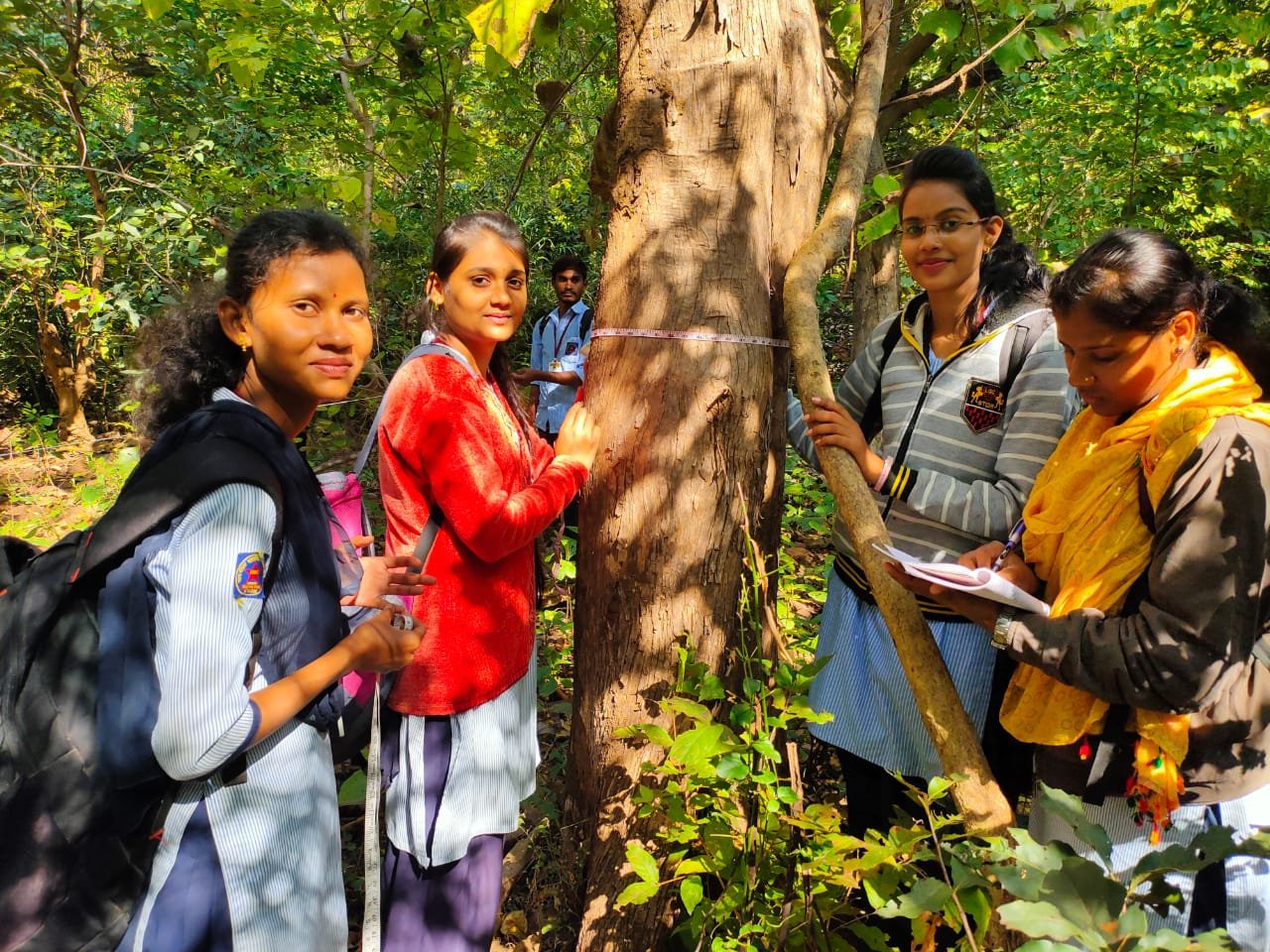
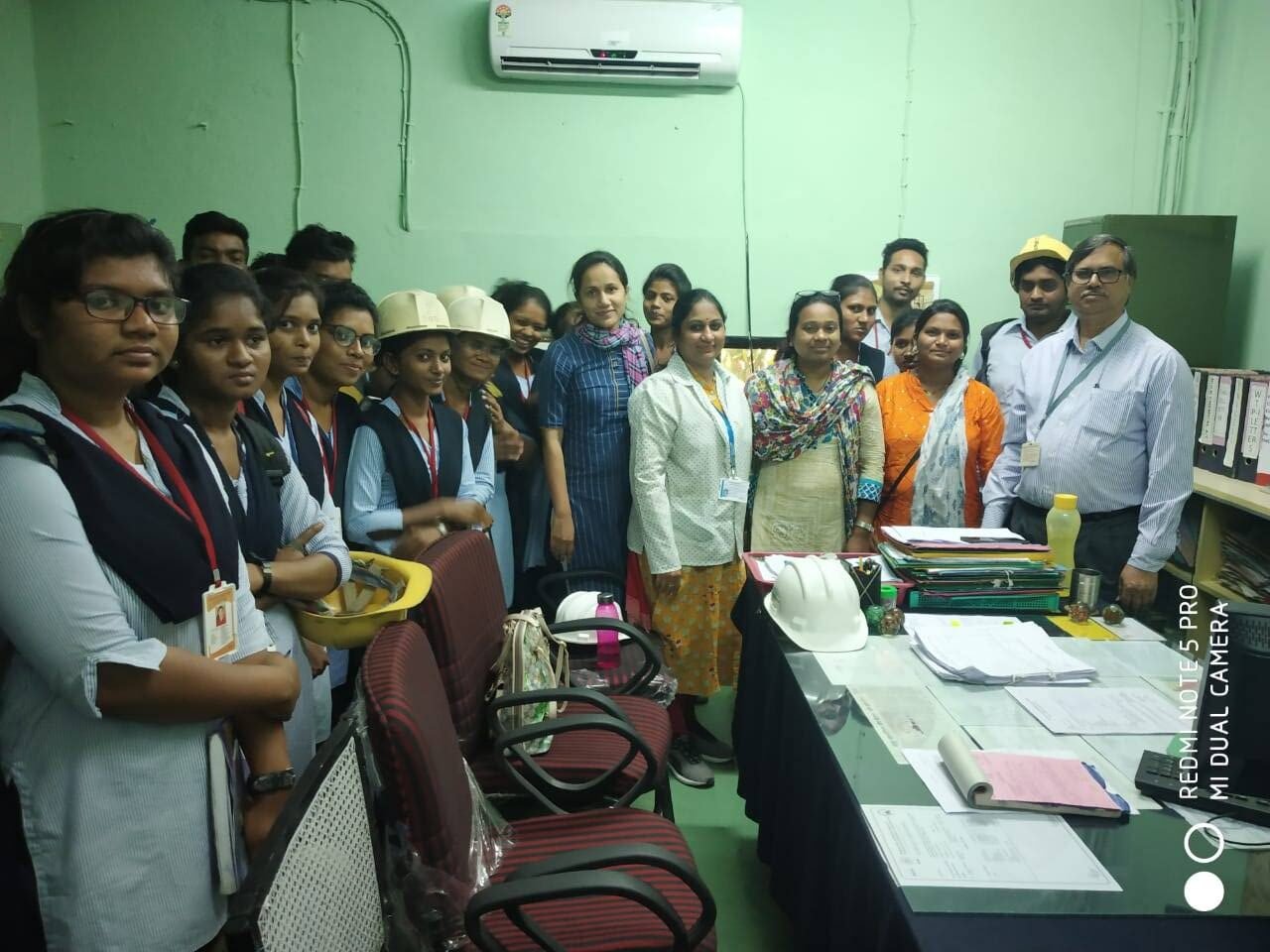
The Department of Environmental Science organizes educational tours and field visits to provide students with practical, real-world exposure. These visits to industries, research centers, and environmental sites help students understand key concepts such as pollution control, biodiversity conservation, and sustainable resource management through experiential learning.

The Department of Environmental Science organized educational tours to Sitarampeth and Chandrapur Super Thermal Power Station (CSTPS), Chandrapur to provide students with practical exposure to biodiversity conservation, thermal power generation, pollution control, and environmental management practices.


Photo 1; Photo 2;

Photo 3

Research Work

The Department of Environmental Science promotes a strong research culture among faculty and students, focusing on key areas such as pollution control, water and wastewater treatment, air quality, ecology, biodiversity conservation, solid waste management, and environmental impact assessment.

Faculty members regularly publish in reputed journals and present their work at conferences, while students are encouraged to participate in research projects, field studies, and laboratory work to develop scientific skills.

The department also collaborates with institutions, government bodies, industries, and communities to address environmental challenges and develop sustainable solutions.